
Skip to content
Her life

Marie‑Antoinette, 1755–1793.

An archduchess of Austria at fourteen, Queen of France at eighteen, and for twenty years the most watched woman in Europe.

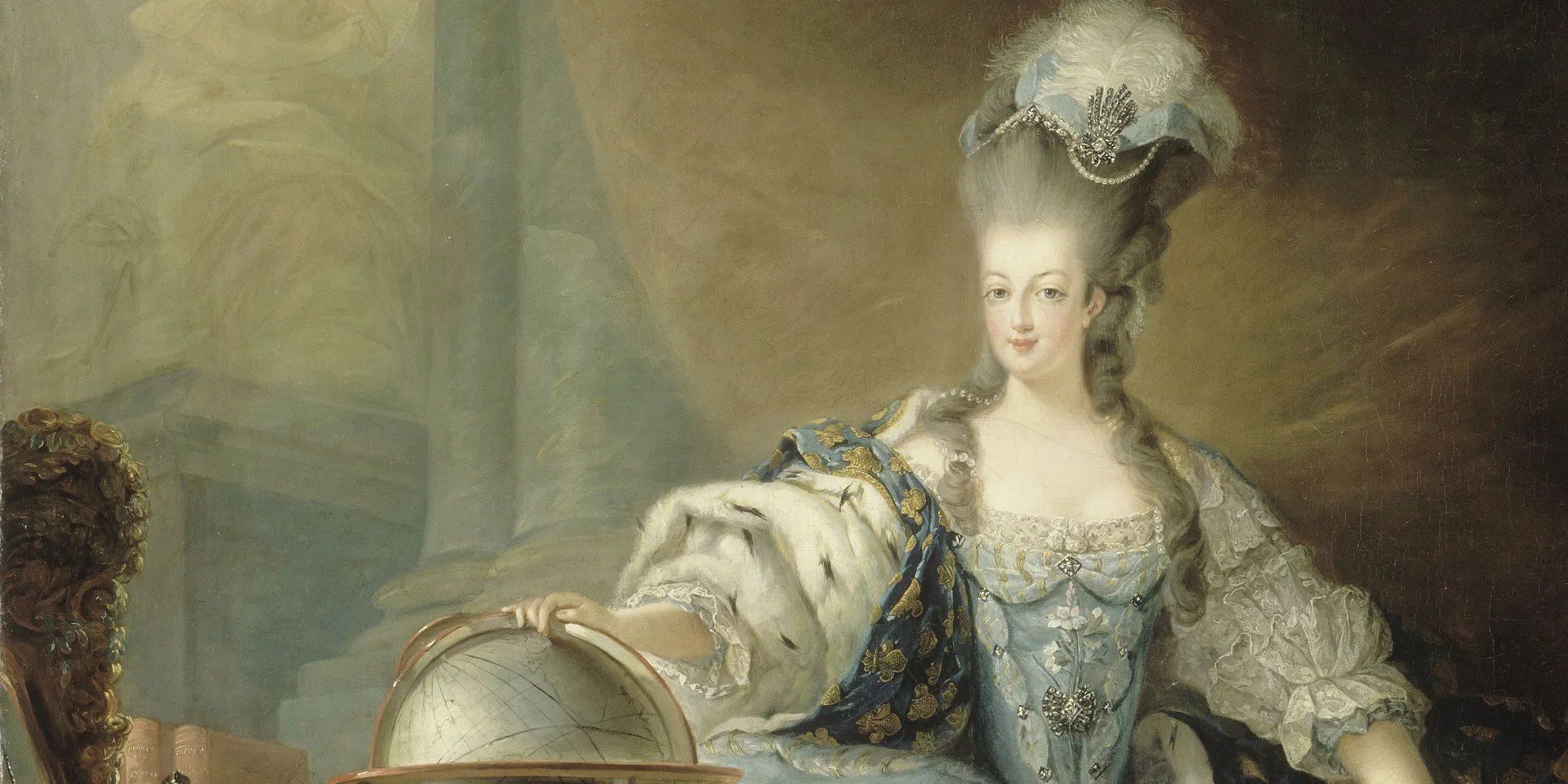
A period portrait of Marie-Antoinette in court dress

Jean-Baptiste André Gautier-Dagoty, 1775 · Château de Versailles

Style

The first woman of fashion

Marie‑Antoinette did not simply wear the fashion of her time; she commissioned it. Twice a week she received Rose Bertin, the Paris dressmaker she made famous, and together they invented a season’s silhouette that milliners across Europe then copied. Her hairdresser, Léonard Autié, built the towering poufs that caricaturists loved to draw.

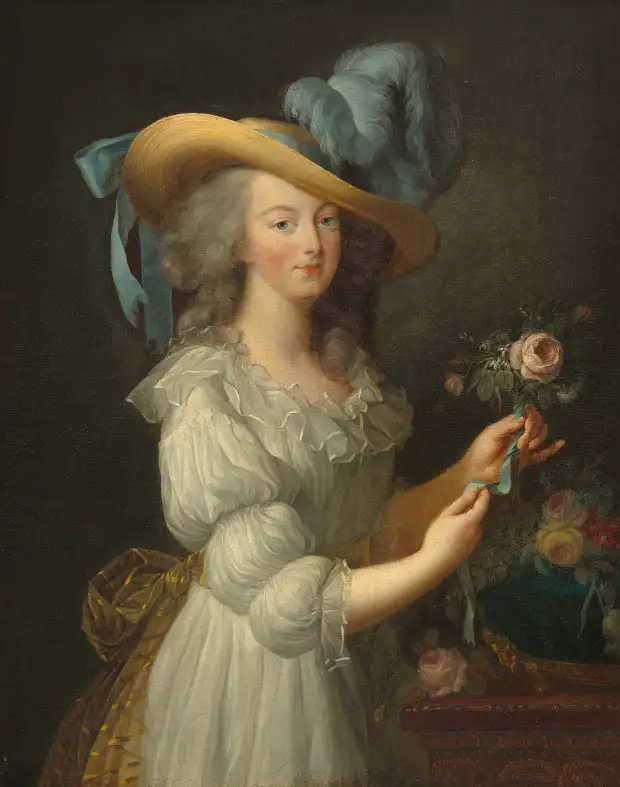
Then, at the height of it, she turned the other way. At the Petit Trianon — the small château Louis XVI gave her in 1774 — she wore the gaulle, a simple white muslin dress with a sash, and was painted in it by Élisabeth Vigée Le Brun in 1783. Court society was scandalised: a queen in what looked like a chemise. Within a few years every fashionable woman in France owned one.

Vigée Le Brun, her favourite painter, portrayed her some thirty times — in court silk, in a straw hat, with her children — and it is through those canvases that most of the world still pictures her.

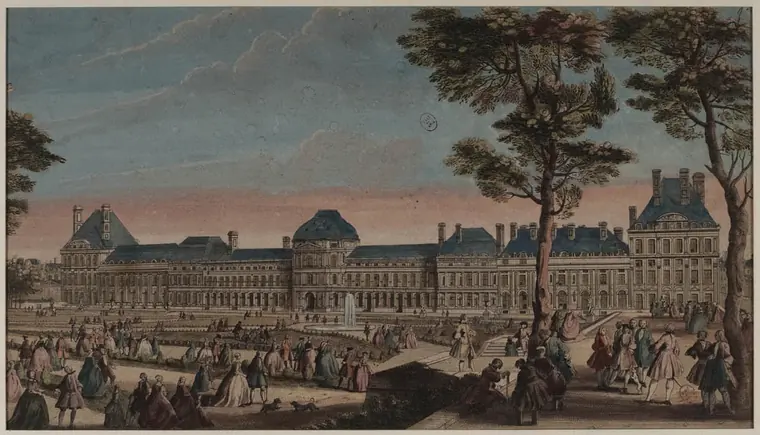
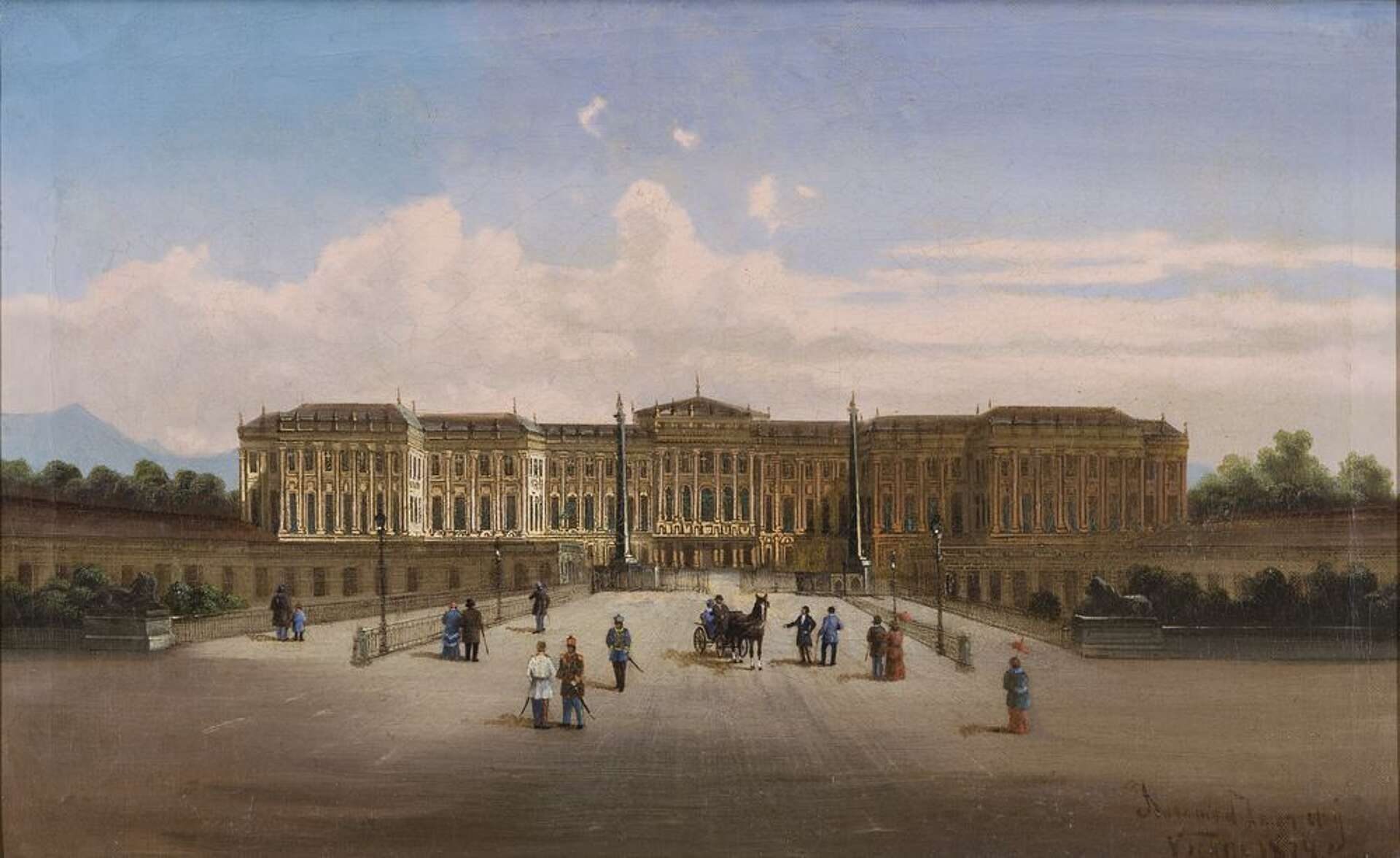
A period painting of the Palace of Schönbrunn in Vienna, seen from its forecourt
Schönbrunn, the Ehrenhof façade, 19th century  ·  © Schloß Schönbrunn Kultur- und Betriebsges.m.b.H.
Her story

From Schönbrunn to Versailles

She was born Maria Antonia Josepha Johanna von Habsburg‑Lothringen in Vienna on 2 November 1755, the fifteenth child of Empress Maria Theresa and Emperor Francis I. Her childhood at Schönbrunn was musical and informal; her education, by the standards of the age, light.

It was her mother who decided her future. To seal the alliance between Austria and France, the fourteen-year-old archduchess was married to Louis‑Auguste, heir to the French throne. She was handed over at the border in May 1770, left everything Austrian behind — her clothes, her servants, even her dog — and arrived at Versailles as the Dauphine of France. France did not receive her warmly: Austria had been the enemy for generations, and a girl from Vienna was a treaty made flesh.

On 10 May 1774 her husband became Louis XVI and she became Queen of France and Navarre, aged eighteen. A court of several thousand people watched her dress, eat and walk. She answered with style: she chose what she wore, where she spent her days and who amused her, and the whole of Europe copied her. Louis XVI also gave her a freedom no queen of France had been given before — over the music, the theatre and the painters of the court. Élisabeth Vigée Le Brun owed her career to it.

Versailles itself she found hard to bear. Its etiquette governed every hour of the day, so she withdrew — to her private rooms behind the state apartments, and to the Petit Trianon, where she could choose her own company. Four children were born between 1778 and 1786, and she raised them far more closely than a queen was expected to. She lost two: Sophie before her first birthday, and the Dauphin Louis‑Joseph at seven, five weeks before the Revolution began. Both parents were broken by it.

The Revolution ended that world. The royal family was brought from Versailles to Paris in October 1789 and imprisoned in 1792. Louis XVI was guillotined on 21 January 1793, on what was then the Place de la Révolution; the queen followed on 16 October, on the same square, now the Place de la Concorde. She was thirty-seven, and she went to it with a composure that even her accusers recorded.
Setting the record straight

What she never said

“Let them eat cake.” She did not say it. The line appears in Rousseau’s Confessions, written when Marie‑Antoinette was a child in Vienna, about an unnamed princess; it was attached to her name decades later, by people who had reason to.

The diamond necklace. The famous affair of 1785 was a swindle carried out in her name by a countess she had never received. The queen bought nothing — and still took the blame.

The Hameau. Her hamlet at Versailles was not a game of shepherdess for its own sake but a working farm, with a dairy, a mill and herds that supplied the château.

The Austrian. L’Autrichienne was coined at court, by the king’s own aunt, and taken up outside it. From the mid-1780s a stream of pamphlets, caricatures and invented scandals ran against her — some printed abroad, some paid for by people close to the throne. A good deal of what “everyone knows” about her, her spending included, begins there rather than in the record.

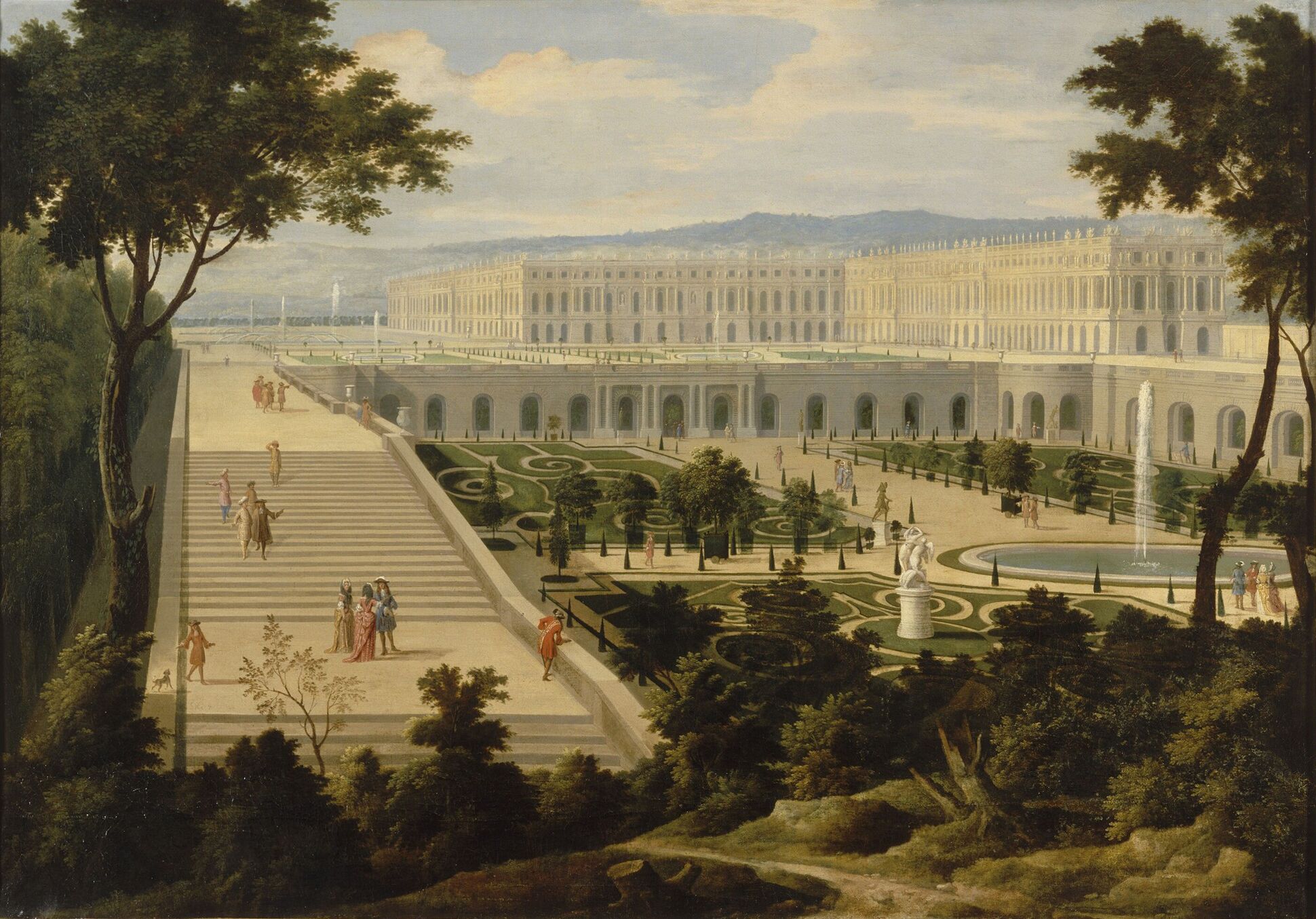
A period painting of the Orangerie and gardens of the Palace of Versailles

“I am calm, as one is when the conscience has nothing to reproach itself with.”

From her last letter, to her sister-in-law Élisabeth · 16 October 1793

The Orangerie at Versailles, attributed to Étienne Allegrain  ·  Collections du château de Versailles

Milestones

Her life in dates

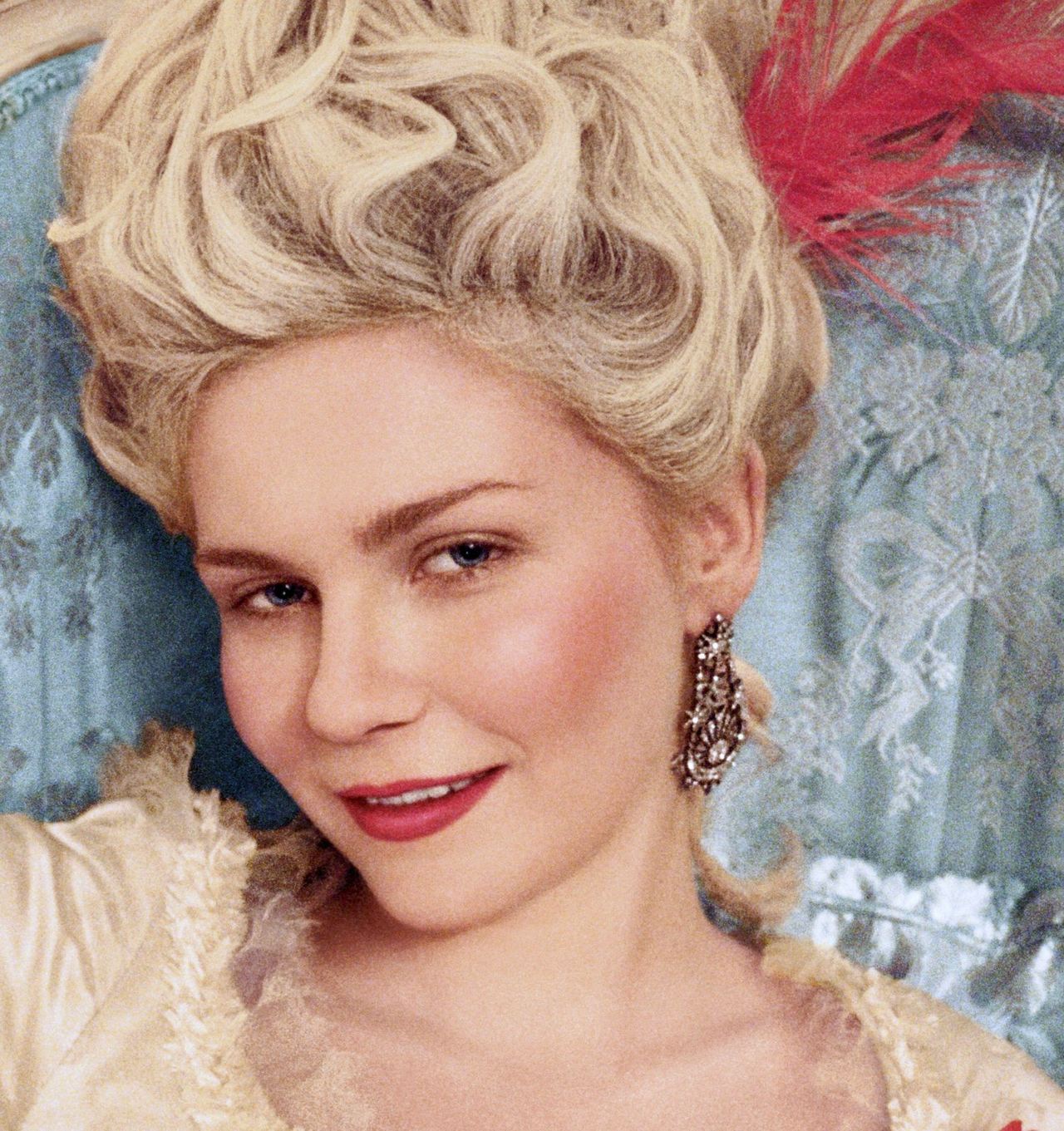
Kirsten Dunst as Marie-Antoinette in Sofia Coppola’s 2006 film

Marie Antoinette (2006) · Sofia Coppola · Columbia Pictures

Her legacy

Two centuries of fascination

Few lives have been retold as often. Stefan Zweig’s biography of 1932 made her a modern figure: not a monster and not a martyr, but an ordinary woman carried by an extraordinary fate. Historians have been arguing with him, and with each other, ever since.

Pop music borrowed her too. In October 1974 Freddie Mercury put her name in the opening verse of Queen’s Killer Queen, reaching for the cake line she never said as shorthand for wealth and distance. The single, from the album Sheer Heart Attack, went to number two in Britain and is still one of the band’s most played records.

In 2006 Sofia Coppola filmed her story at Versailles itself, with Kirsten Dunst as the queen — pastel silks, macarons and a pop soundtrack, produced by her father Francis Ford Coppola’s company American Zoetrope. Critics were divided; a generation discovered Marie‑Antoinette through it, and designers have been quoting the film’s palette ever since.

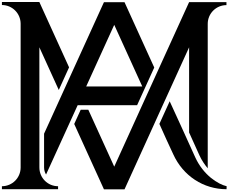
At Fontainebleau her interlaced initials are still carved above the arch. At Versailles the queue for the Petit Trianon has not grown shorter. More than two hundred years on, she remains the most recognisable Frenchwoman of them all.

In Japan

The Rose of Versailles

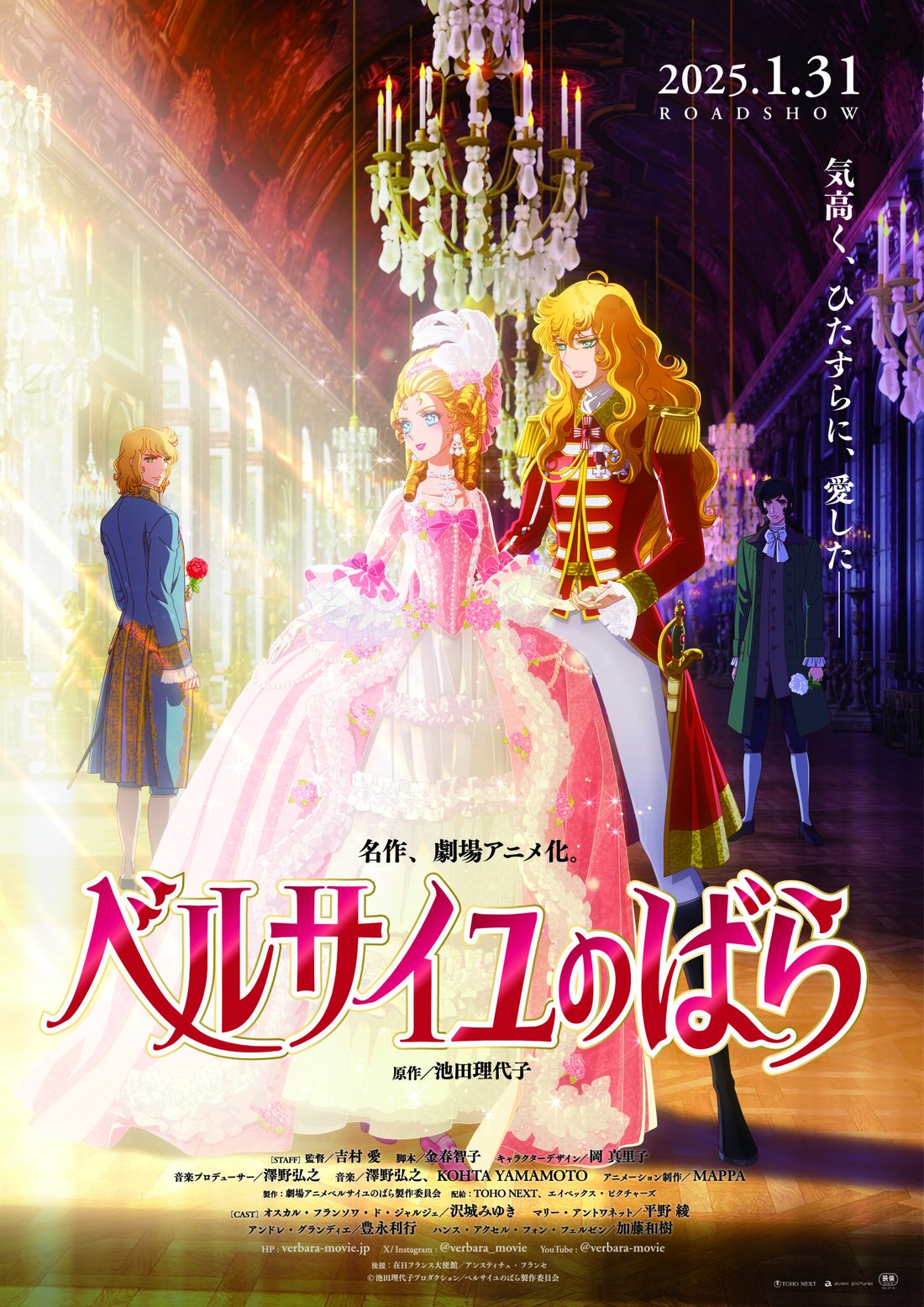
The retelling that reached the largest audience of all was drawn in Tokyo. Between May 1972 and December 1973 Riyoko Ikeda serialised Berusaiyu no BaraThe Rose of Versailles — in the girls' magazine Margaret: the queen’s life from Vienna to the scaffold, shared with an invented character, Oscar François de Jarjayes, a general’s daughter raised as a son who commands the royal guard at Versailles.

It left the page almost at once. The Takarazuka Revue, the all-female musical theatre company, staged it from 1974; between 1974 and 1976 all four of its troupes played it to a combined audience of 1.6 million, and the 1986 revival alone drew 2.1 million. From October 1979 to September 1980 Nippon Television broadcast a forty-episode animated series, begun by Tadao Nagahama and completed by Osamu Dezaki, whose style made it a landmark of Japanese animation.

The manga has sold more than twenty-three million copies. It is the reason a great many Japanese visitors first came to Versailles, and in 2009 France made Ikeda a chevalier of the Légion d’honneur for it. In January 2025 the studio MAPPA released a new feature film of the story, directed by Ai Yoshimura, with Aya Hirano as Marie‑Antoinette and Miyuki Sawashiro as Oscar; Netflix began streaming it that April.

The Japanese theatrical poster for the 2025 film of The Rose of Versailles, with Marie-Antoinette and Oscar in the hall of mirrors
Theatrical poster for the 2025 film  ·  © Ikeda Riyoko Production / Berusaiyu no Bara Production Committee
Further reading

Five books about her

  • Marie Antoinette: The Journey

    Antonia Fraser  ·  2001  ·  Amazon

    Thoroughly researched and full of sympathy — the best single account of the whole life.

  • Marie Antoinette: The Portrait of an Average Woman

    Stefan Zweig  ·  1932  ·  Amazon

    A gripping, deeply psychological portrait that shaped every modern biography of her.

  • Marie-Antoinette: The Making of a French Queen

    John Hardman  ·  2019  ·  Amazon

    Her political weight, and nothing else: what she decided, what she influenced and what she did during the Revolution.

  • Queen of Fashion: What Marie Antoinette Wore to the Revolution

    Caroline Weber  ·  2006  ·  Amazon

    How she turned clothes and style into an instrument of power at Versailles.

  • Memoirs of the Court of Marie Antoinette

    Madame Campan  ·  1823  ·  Amazon

    Written by her first lady of the bedchamber: an unequalled first-hand view of her daily habits and private life.

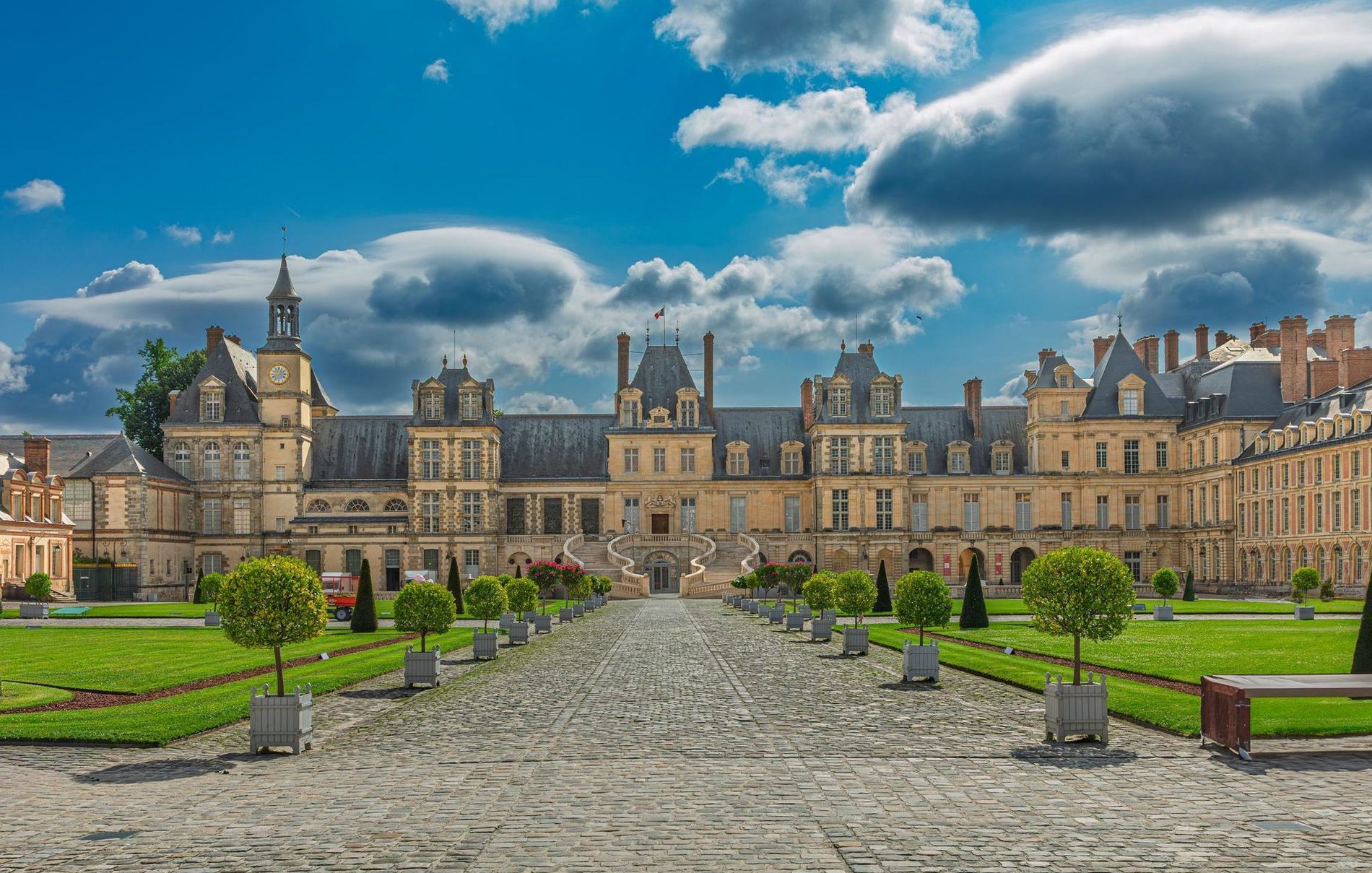
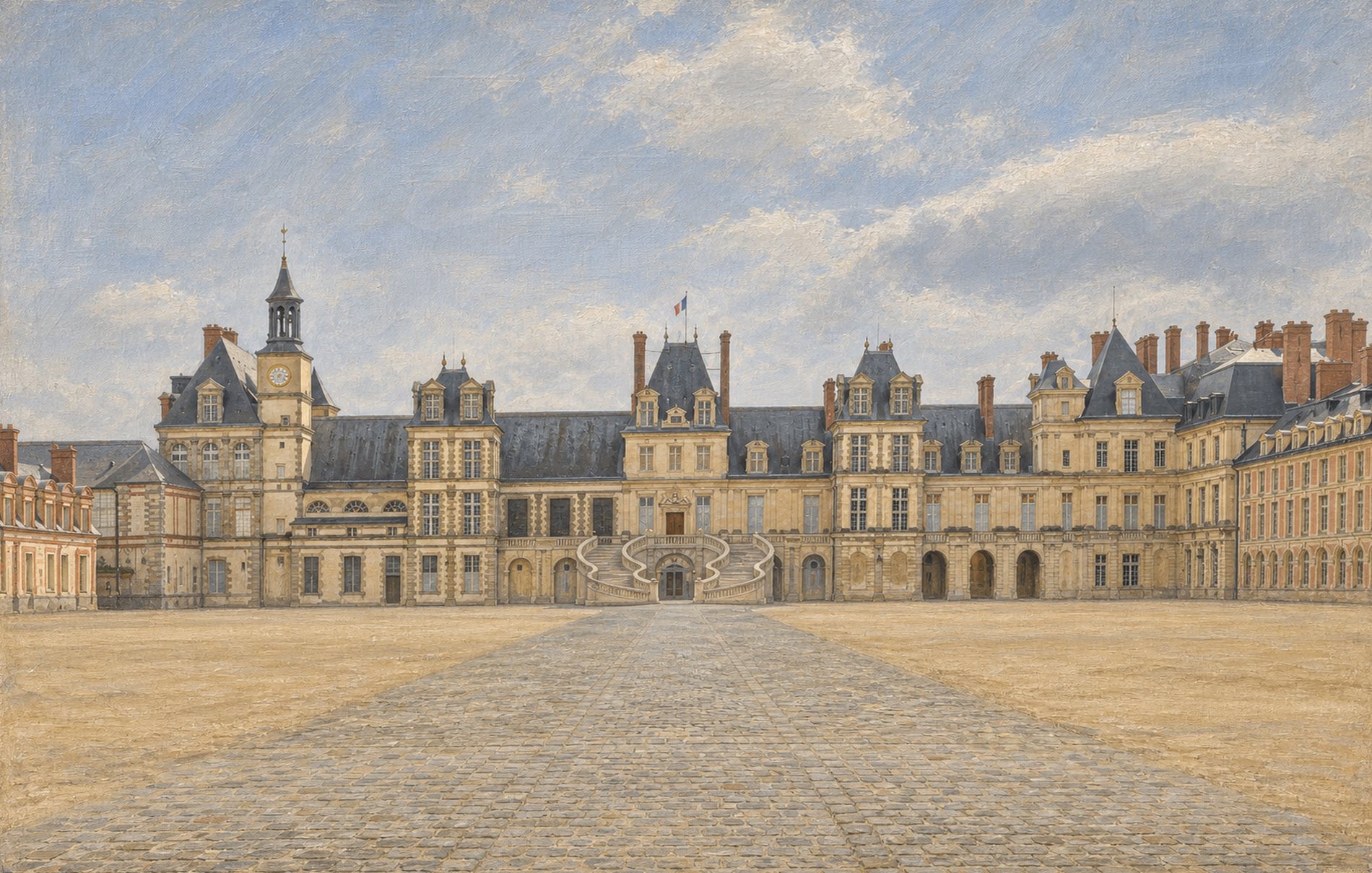
The Palace of Fontainebleau and its courtyard under a summer sky

Schönbrunn. Versailles. Fontainebleau.

Every autumn the whole court moved from Versailles to Fontainebleau for the hunting season. It was the palace Marie‑Antoinette made her own: she had her Turkish boudoir built there, and her monogram is still carved above the arch.